A friend and I had a long and lively debate this evening about whether or not Western humanitarian aid is ultimately helpful or hurtful to developing nations and what role the government should play in foreign aid compared to charities. I admittedly approach this subject from a more heartfelt and emotional standpoint, having been actively involved in humanitarian work from early childhood. This friend is also well traveled and has been living and working in a developing nation for the past several years, however he has very different thoughts on how Western involvement in developing nations should be carried out.
The conversation was sparked by my forwarding of a promotional email from a non-profit organization. My reasoning for including this friend on the forward was not so much that I expected him to donate as that being a photography enthusiast I assumed he would enjoy the photographs, which were taken by another friend of mine who we've spoken about in the past.
My friend promptly refuted my support of this non-profit's work by giving historical context to the inability of Western charity to contribute toward a lasting betterment of developing nations. I defended that there is more to charity than solving global issues; there is the meeting of basic human needs be it physical, emotional, or spiritual. I was enraged that this friend dared attribute my compassion for these peoples' livelihood to propaganda for a flawed and ultimately damaging practice. It took some time for us to both set aside emotion and talk facts.
We agreed that if humanitarian efforts met only the physical needs of the people and did not address the overlaying issue of government corruption that the government would never assume a sense of responsibility for meeting its people's needs, and that the people would grow complacent and not be motivated to rise up and force their government to do so. We did not agree on how Western nations should alter their approach to this situation.
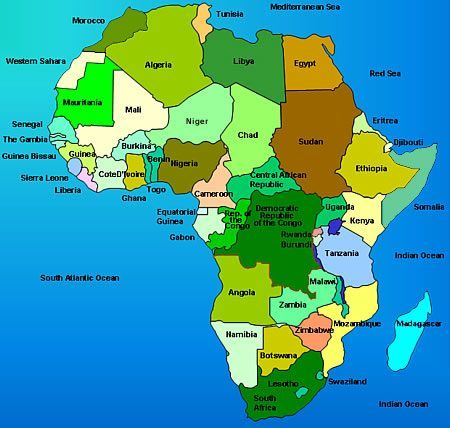
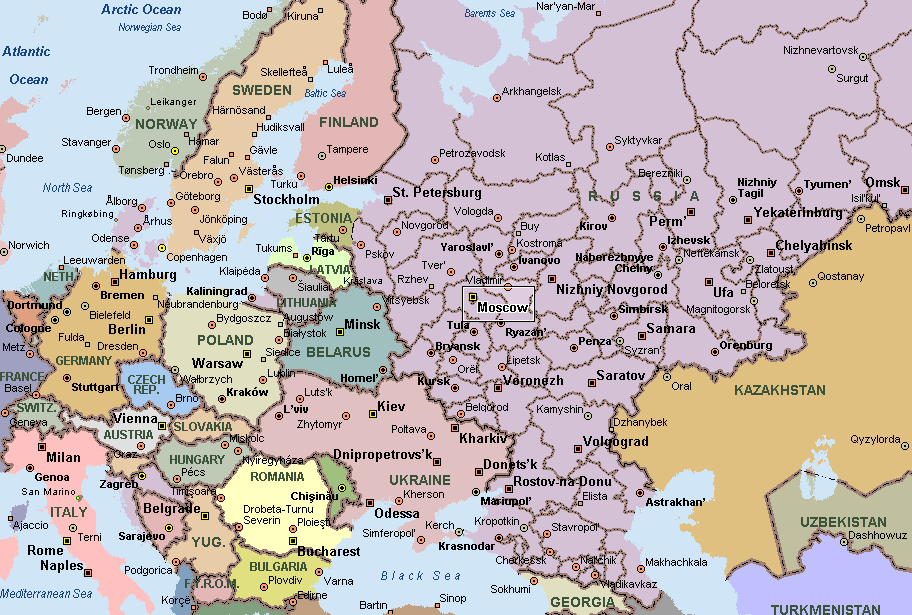
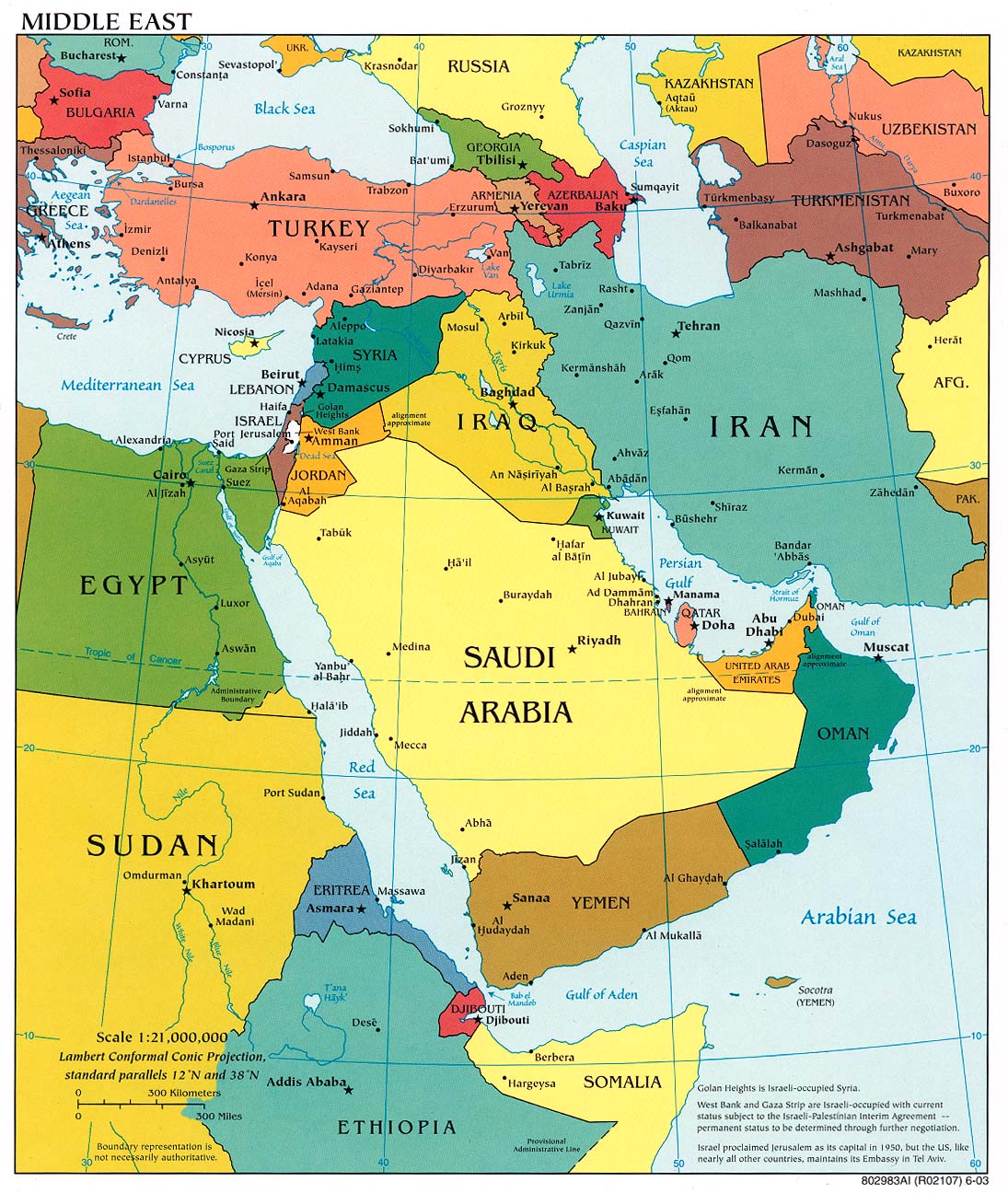
The United States government is selective about which countries and which types of conflicts it will become involved in. Africa is, as a continent, rather abandoned by government intervention from the US. It is my opinion that the US does not involve itself in African coups and civil wars because there is no African nation capable of being a militaristic threat to it and most of the commerce between African countries and the US can be met otherwise. Unrest in parts of Europe, Asia and the Middle East, on the other hand, is of concern to the US because there stands a greater threat. It was not directly stated, although I can fairly assume that my friend would agree that the US justifiably must consider its own physical and monetary well being when approaching any foreign conflict. However, where we part ways is in our views as to the balance between political and humanitarian motivation for Western intervention.
My friend stated that the best way to dissolve a dictatorship is to politically endorse and finance a new and better leader. I strongly disagree. I simply cannot imagine a way in which the American people would be able to agree upon a way to carry out such a policy, and should the US government do so without consulting its people, there would be widespread outrage. Not to mention that this theory entirely neglects to address the very grim probability of the new leader being any less corrupt than the last. A man who has not been shown compassion does not know how to be compassionate. A man who rises up solely out of selfish ambition will address his political office as a self-seeking leader. In order for a political figure to effect positive socioeconomic change in his country he must first understand what the needs are and have a genuine desire to meet them.
There is no quick or simple answer, but I will definitely continue researching and trying to gain a more inclusive understanding of the issue. I'll probably revisit and rewrite this blog entry several times as I gain new perspective.